
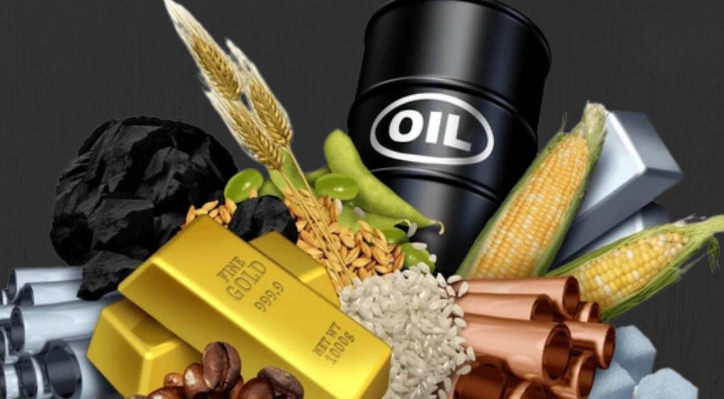

Precious metals tend to move before the broader market narrative catches up. By the time inflation, rates, or geopolitics dominate headlines, gold and its cousins have usually already sent a signal.
Looking toward 2026, the setup across precious metals is less about panic hedging and more about structural supply, monetary drift, and asymmetric upside.
Gold: Monetary Anchor in a Fragile System
Gold remains the foundation of the precious metals complex.
By 2026, the gold story is unlikely to be driven by fear alone. Instead, it’s about:
- Persistent sovereign debt expansion
- Central bank balance sheet constraints
- A gradual erosion of confidence in fiat discipline
Central banks have already shown their hand through sustained gold accumulation. That trend doesn’t need to accelerate dramatically to matter — it just needs to continue.
Gold’s role into 2026 is not explosive speculation, but portfolio gravity. It attracts capital when real yields compress, currencies weaken, or policy credibility erodes. In that sense, gold isn’t betting on a crisis — it’s pricing in reality.
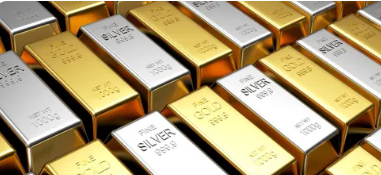
Silver: Volatility, Leverage, and Industrial Demand
Silver is where patience is tested.
Unlike gold, silver sits at the intersection of:
- Monetary metal
- Industrial input
- Supply chain fragility
By 2026, silver’s setup increasingly depends on industrial demand — particularly electrification, solar, and grid infrastructure — layered on top of its monetary characteristics.
That dual role makes silver volatile and frustrating in the short term, but powerful when momentum aligns. Historically, silver lags gold early in cycles and outperforms later, often violently.
For investors, silver is not about timing perfection. It’s about understanding that when silver moves, it tends not to move politely.
Platinum: Scarcity Meets Transition Risk
Platinum is often misunderstood because it doesn’t fit neatly into the gold/silver narrative.
Its value is driven by:
- Tight supply dynamics
- Automotive and industrial demand
- Limited substitution flexibility
As emissions standards tighten globally, platinum’s role in catalytic applications remains relevant, even as the energy transition evolves unevenly.
By 2026, platinum’s opportunity is less about hype and more about relative scarcity. When supply disruptions meet renewed industrial demand, platinum doesn’t need enthusiasm — it needs marginal pressure.
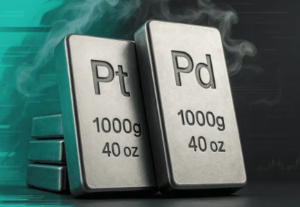
Palladium: A Metal in Transition
Palladium has already experienced its boom-and-bust cycle, which makes it the least loved metal today — and that matters.
Demand has softened as automakers adjust technologies, but supply remains concentrated and geopolitically sensitive. Palladium’s 2026 outlook is not about returning to past highs, but about rebalancing.
For investors, palladium is a reminder that precious metals are not static stores of value — they are markets. Cycles end, reset, and sometimes quietly rebuild.
The Bigger Picture for 2026
Precious metals heading into 2026 are less about a single catalyst and more about accumulation through indifference.
- Gold provides stability and signal
- Silver provides torque
- Platinum provides scarcity exposure
- Palladium represents transition risk and optionality
Together, they form a complex that tends to respond not to headlines, but to structural stress in monetary and industrial systems.
The fight isn’t about predicting a single event.
The fight is staying positioned while the world slowly reprices risk.
